

1893 - 1919
Before The Vote
A long fight
Women’s fight for the vote in Texas stretched across decades, with false starts and setbacks along the way. Early organizing began in 1893, when the short-lived Texas Equal Rights Association formed in Dallas. It dissolved within a few years, and the movement stayed quiet until 1903, when Texas suffragists tried again — this time with staying power.
By 1916, that organization had become the Texas Equal Suffrage Association (TESA), and it found real momentum. In 1918, Texas women won the right to vote in primary elections — a major breakthrough, even though it didn’t yet apply to general elections. The following year, momentum kept building: in May 1919, a state constitutional amendment for full women’s suffrage was put to Texas voters and narrowly defeated. But Texas women didn’t have to wait for the state amendment after all — a federal one was already moving through Congress.

1919
Texas Says Yes
Before The Nation Does
On June 28, 1919, the Texas Legislature ratified the federal 19th Amendment, making Texas the ninth state in the nation — and the first in the South — to do so. It would still take more than a year, until August 26, 1920, for enough states to ratify the amendment and make it the law of the land nationwide. But Texas had already cast its vote.
With that fight won, Texas suffragists turned to their next question: now what? Their answer came just a few months later.
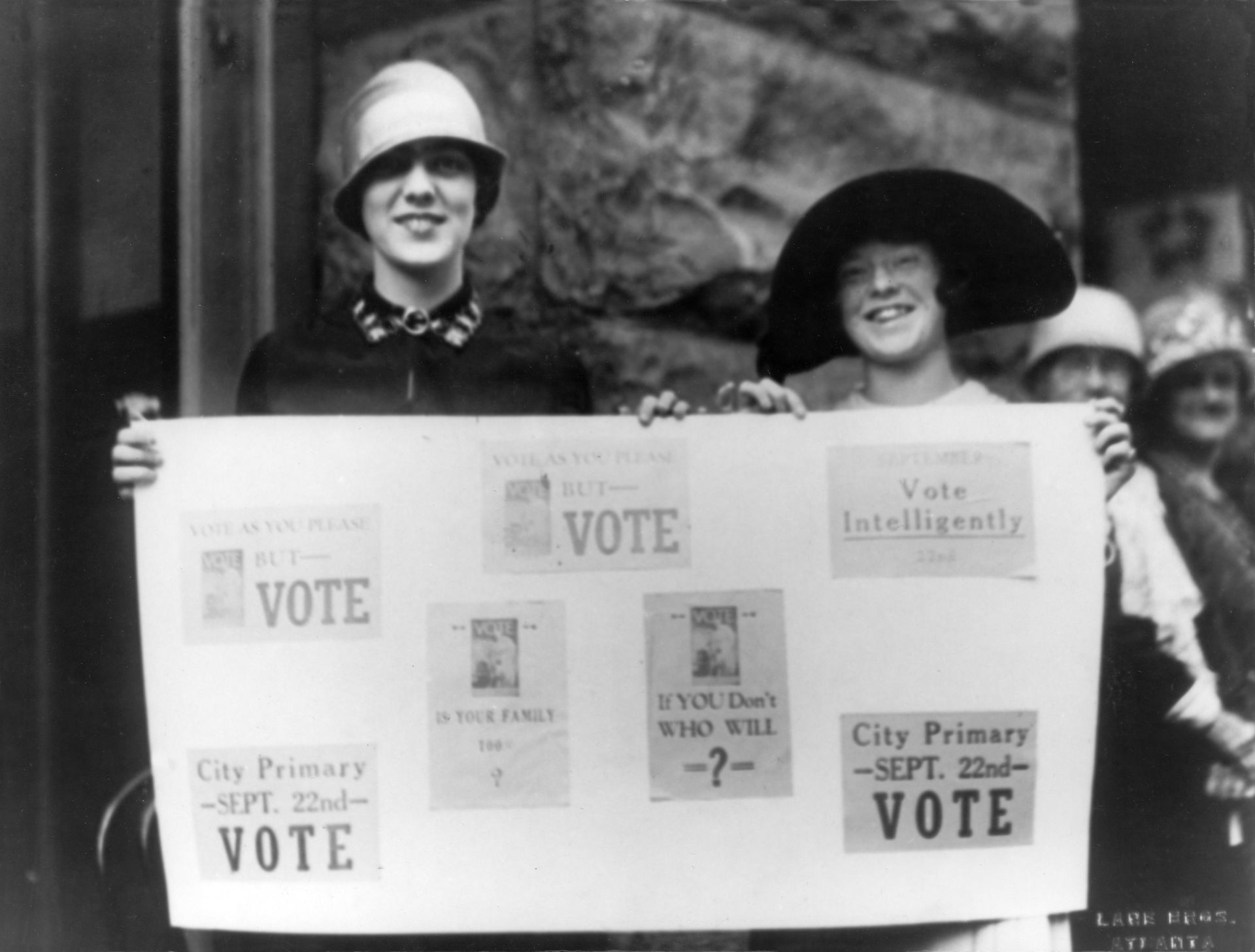
October 19, 1919
LWV Texas Is Born
On October 19, 1919, TESA held what it called a “victory convention” at the St. Anthony Hotel in San Antonio. Their mission accomplished, members voted to dissolve the organization and reorganize it as something new: the League of Women Voters of Texas.
Five local Leagues were founded that same day, in San Antonio, Houston, Galveston, Austin, and El Paso. The new organization had a different job than the old one. TESA had fought to win women the vote. LWV Texas would help women learn to use it.
This timing matters: LWV Texas organized a full four months before the national League of Women Voters was officially founded, on February 14, 1920, in Chicago. Texas didn’t wait around for national direction — it built its own organization first.
The national League’s founder, suffrage leader Carrie Chapman Catt, described its purpose this way: it wasn’t meant to replace existing women’s organizations, but to unite them — not to pull women away from politics, but to bring them into it.
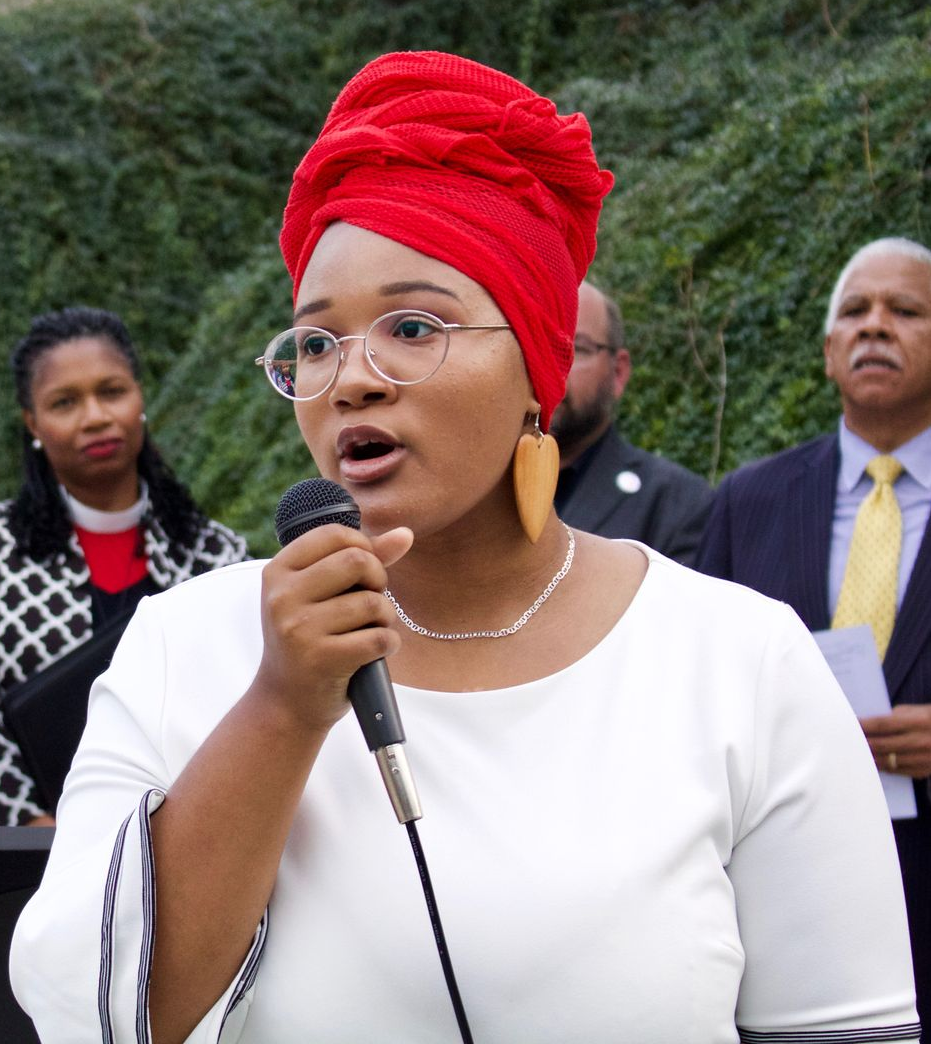
1920- 1954
The Early Decades
Educating New Voters
LWV Texas’s first president, Jessie Daniel Ames of Georgetown, led the organization from 1919 to 1923. Under her leadership, the new League focused almost entirely on voter education. It published a monthly newspaper, the New Citizen, ran “Get Out the Vote” campaigns, held citizenship schools, and printed a booklet called Know Your County to help Texans understand their local government.
The League didn’t stop at education. As a member of the “Petticoat Lobby” — a coalition pushing for women’s welfare legislation — LWV Texas spent the 1920s advocating for a minimum wage for women, maternity and infant care programs, an end to child labor, jury service for women, and better rural schools.
That advocacy paid off over time. After eight years of sustained effort, the League helped secure 1949 legislation protecting the secrecy of the ballot. In 1954, a constitutional amendment the League had championed finally passed, allowing Texas women to serve on juries.
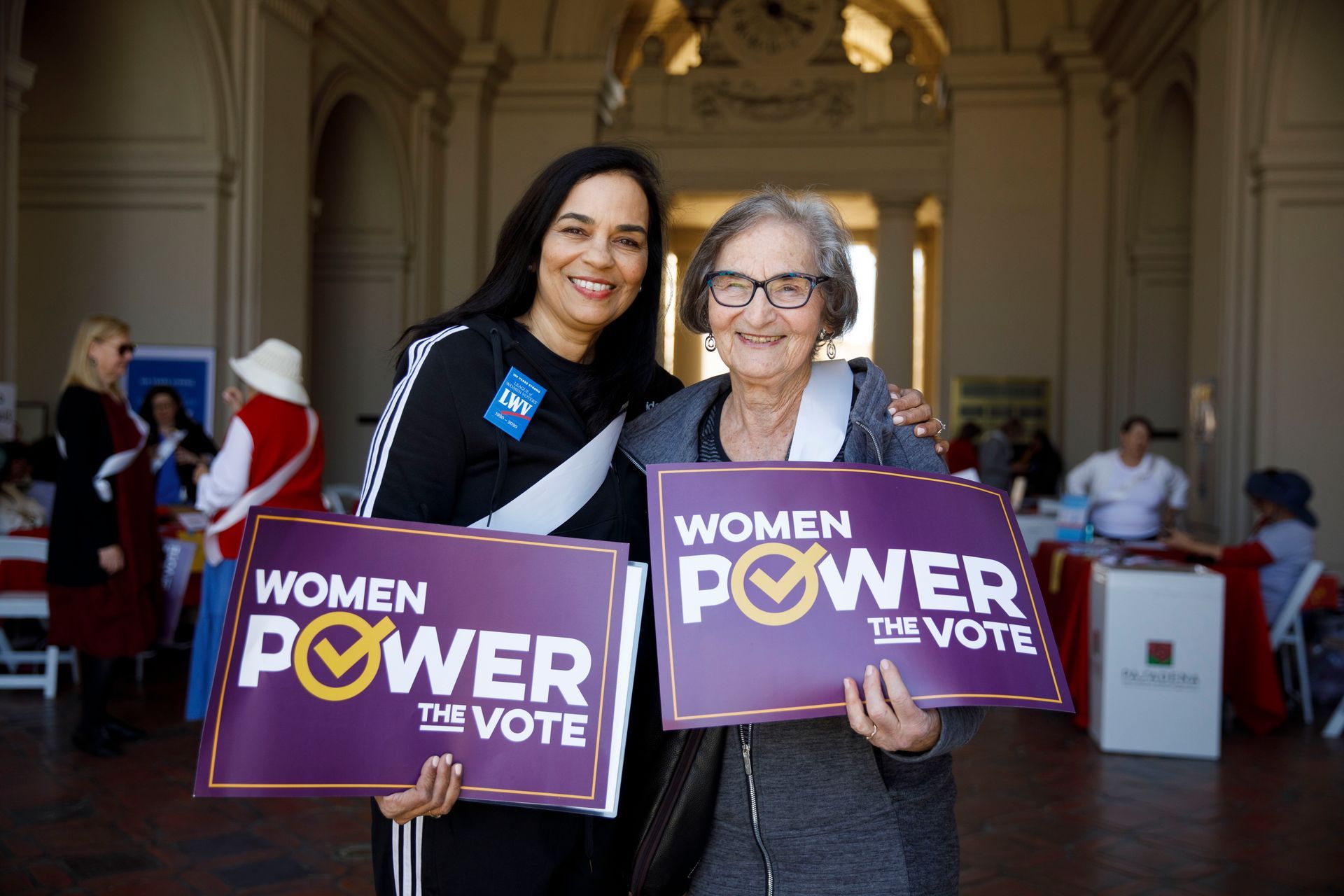
1964 - 1966
Confronting A
Narrower Vote
The 19th Amendment didn’t deliver equal voting rights to all women. Texas’s white primary law — which barred Black voters from primary elections — remained in place for two more decades, even after the U.S. Supreme Court struck down a similar law in 1927. It took the Court’s 1944 decision in Smith v. Allwright to finally end the white primary in Texas, and even then, other barriers to Black political participation persisted.
The poll tax was another major obstacle. LWV Texas worked for years toward its repeal, which finally arrived for federal elections with the 24th Amendment in 1964, and for state elections in 1966, after the U.S. Supreme Court ruled Texas’s poll tax unconstitutional.
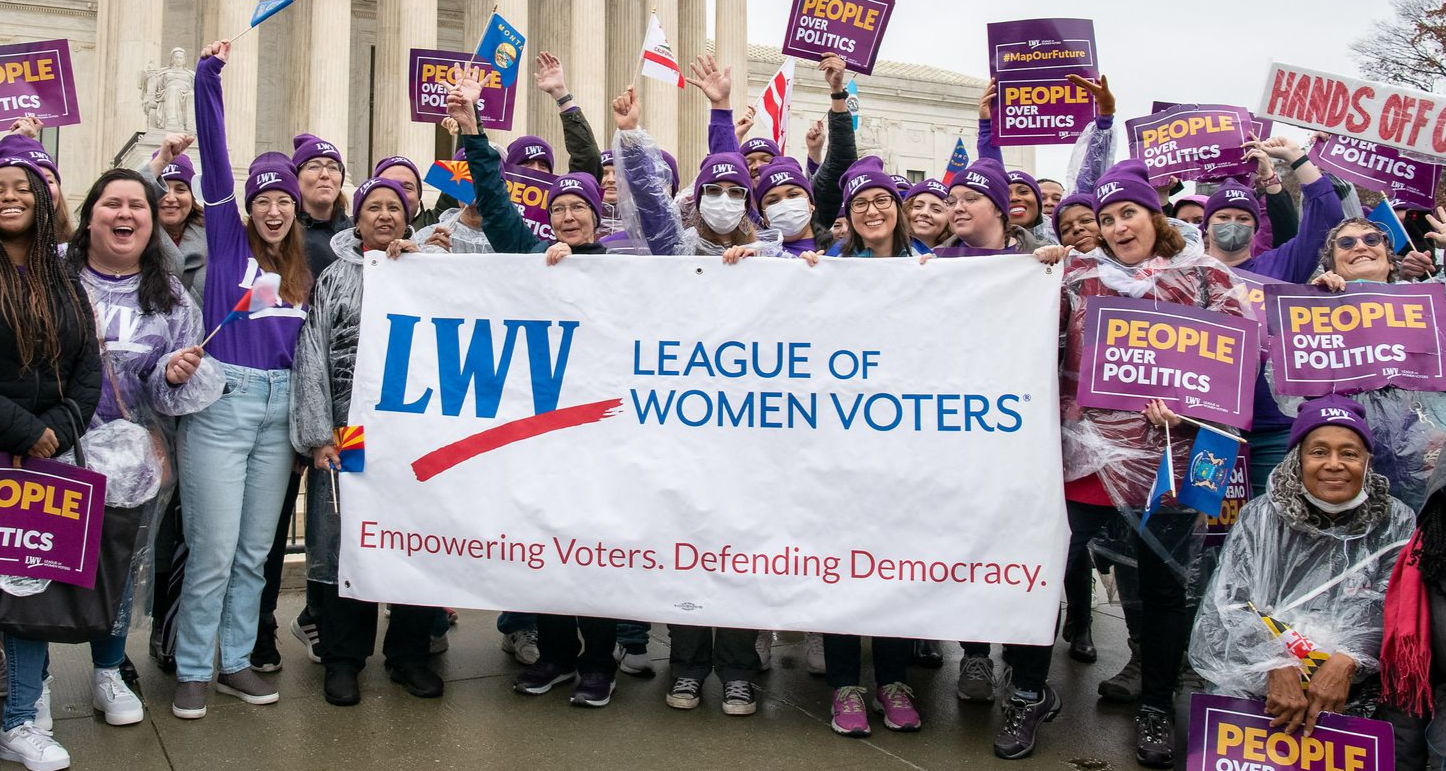
1950 & beyond
Mid-Century To Today
Through the 1950s and beyond, LWV Texas kept expanding its work: supporting family courts, opposing legal discrimination based on marital status, and publishing a “Know Your State” survey that became a widely used civics textbook, Texas Constitutional Review. Membership became racially integrated and peaked at around 5,000 members in the mid-1950s. In 1974, the national League opened membership to men, and LWV Texas followed suit; Tom Gooch of Fort Worth became the first man on the state board in that same era.
The League also pioneered voter information formats still in use today. Local Leagues produced Spanish-language Voters Guides as early as 1970, and in 2002, LWV Texas hosted the first Spanish-language debate for a statewide office. The League made its Voters Guide available on audio cassette for voters with visual disabilities as early as 1985 and began televising gubernatorial debates with closed captioning in 1990.
Who we are today
What Hasn’t Changed
A century after that first meeting in San Antonio, LWV Texas is still a member-directed, nonpartisan organization, governed by a state board elected at conventions every two years. And the core of the job is the same one Jessie Daniel Ames focused on in 1919: helping Texans understand their government and use their right to vote.